
Inquiry Based Learning
Our Whole School Approach to Inquiry Based Learning
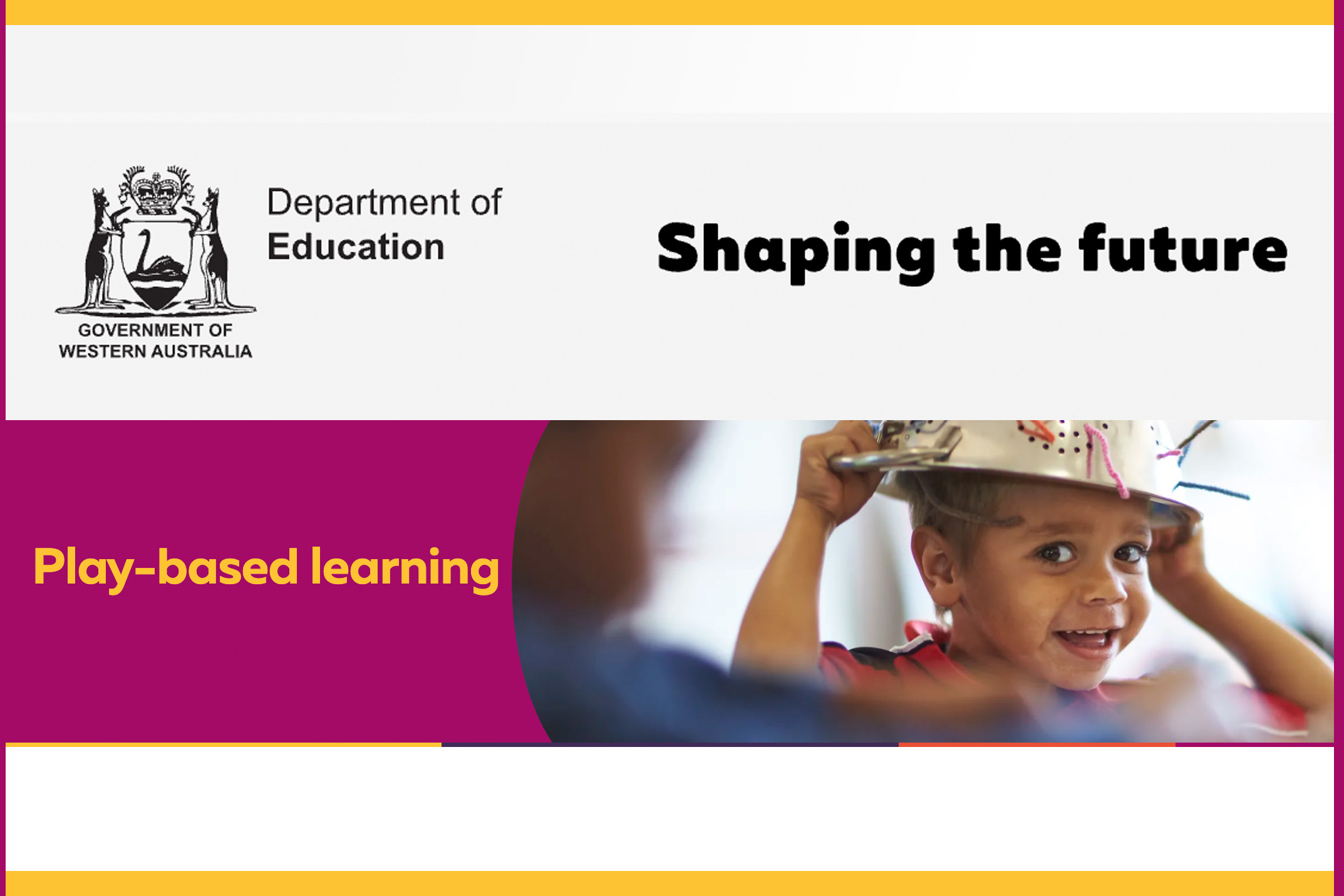
Play Based Learning in Years Kindergarten-Year 2
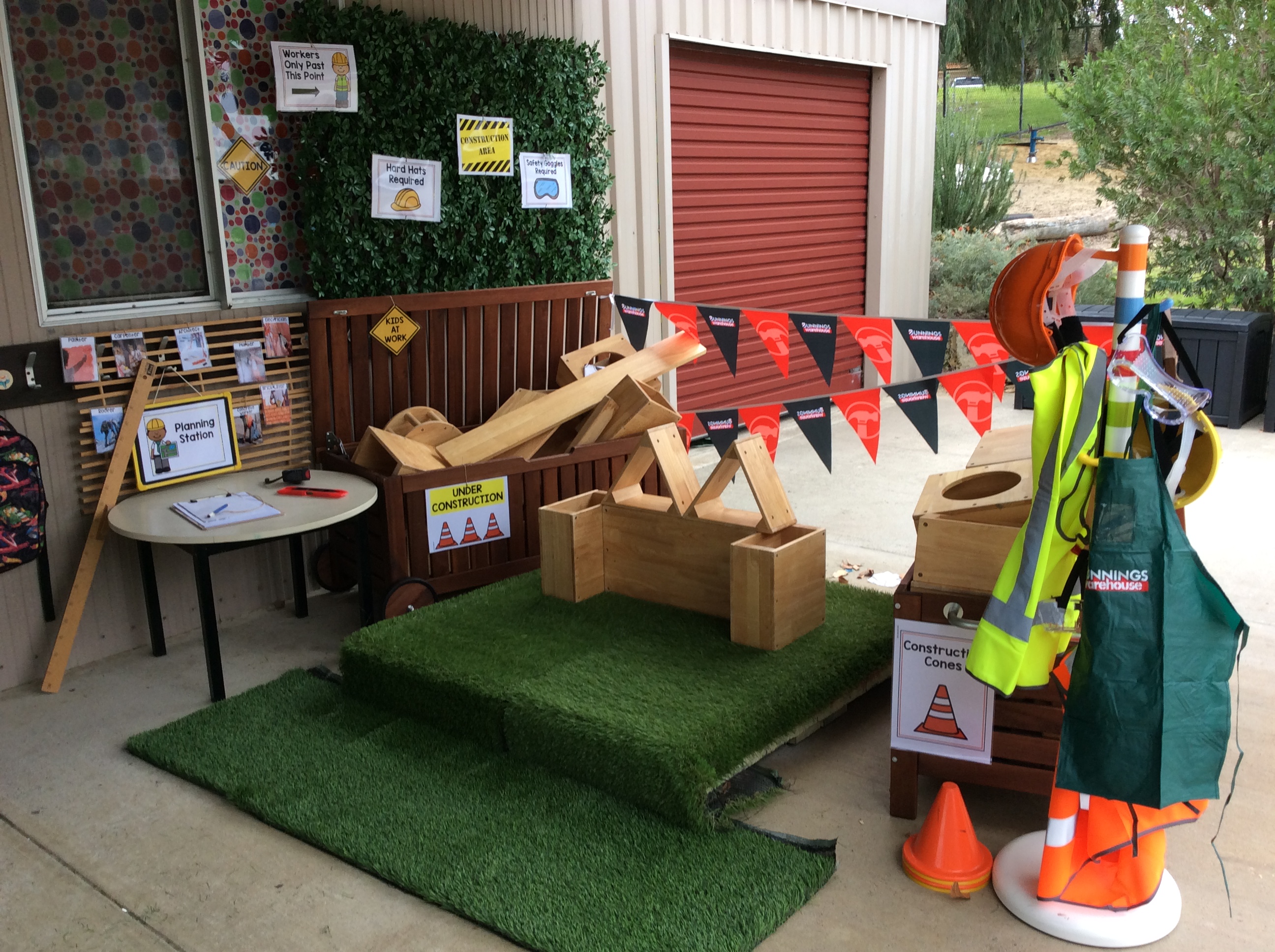
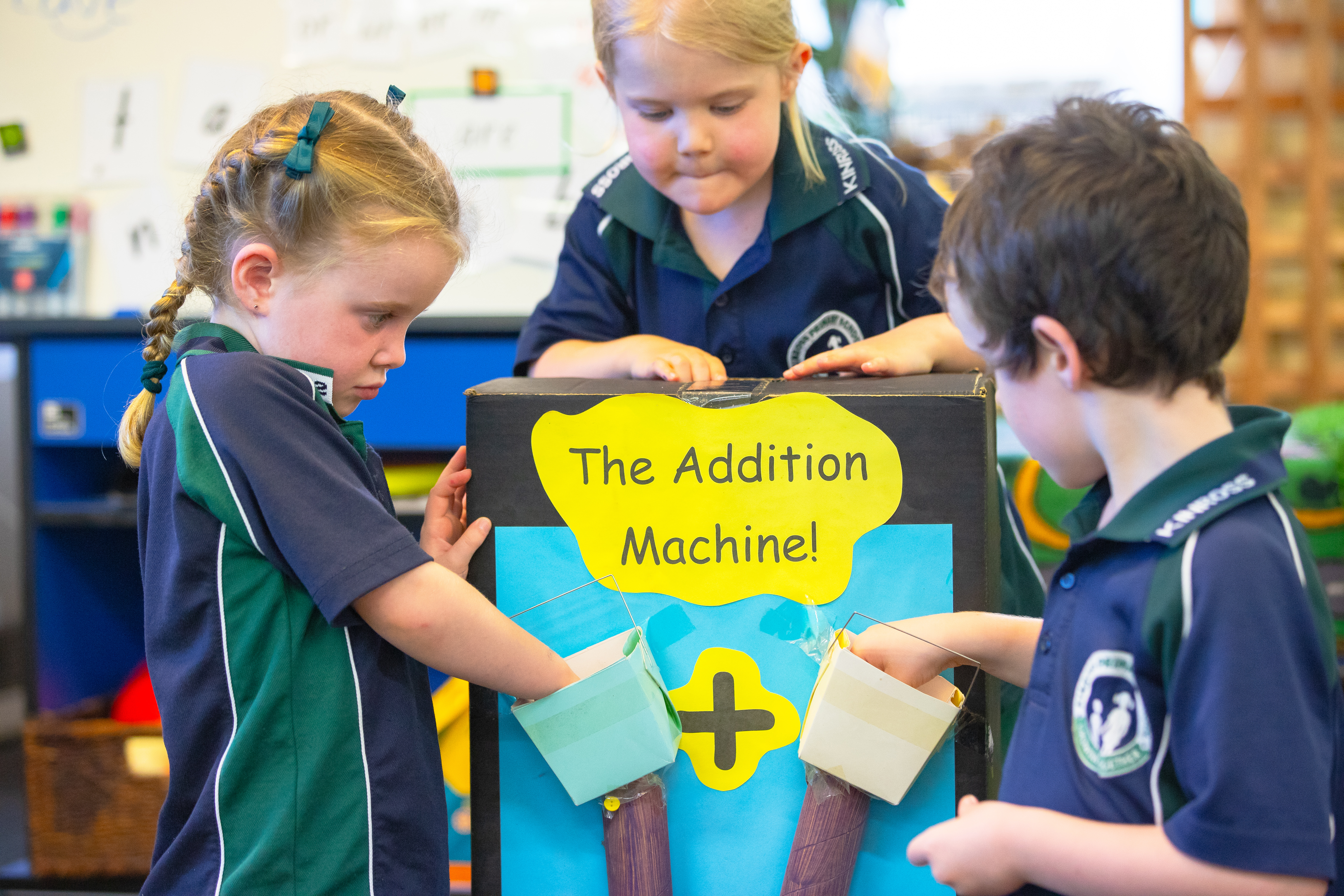
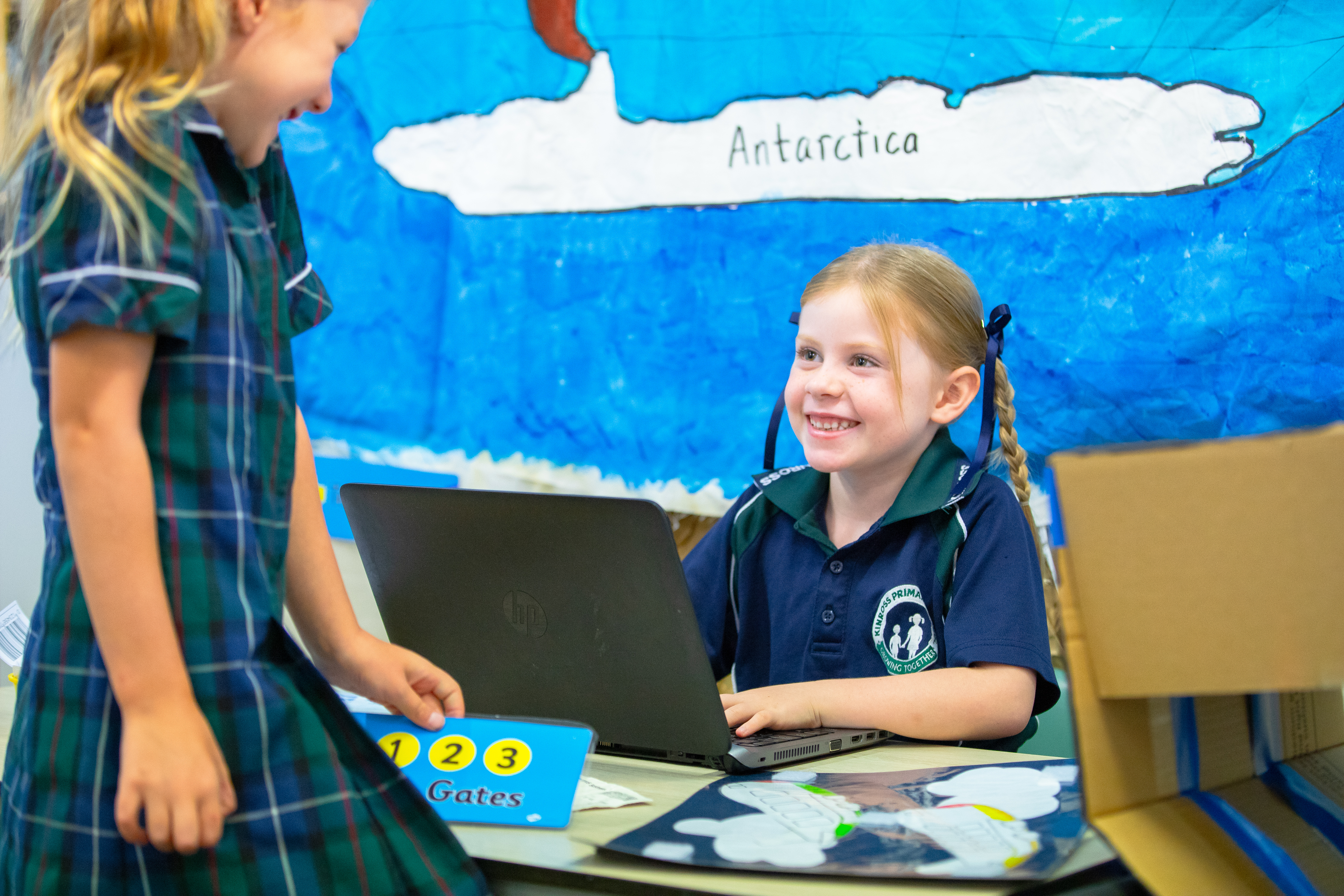
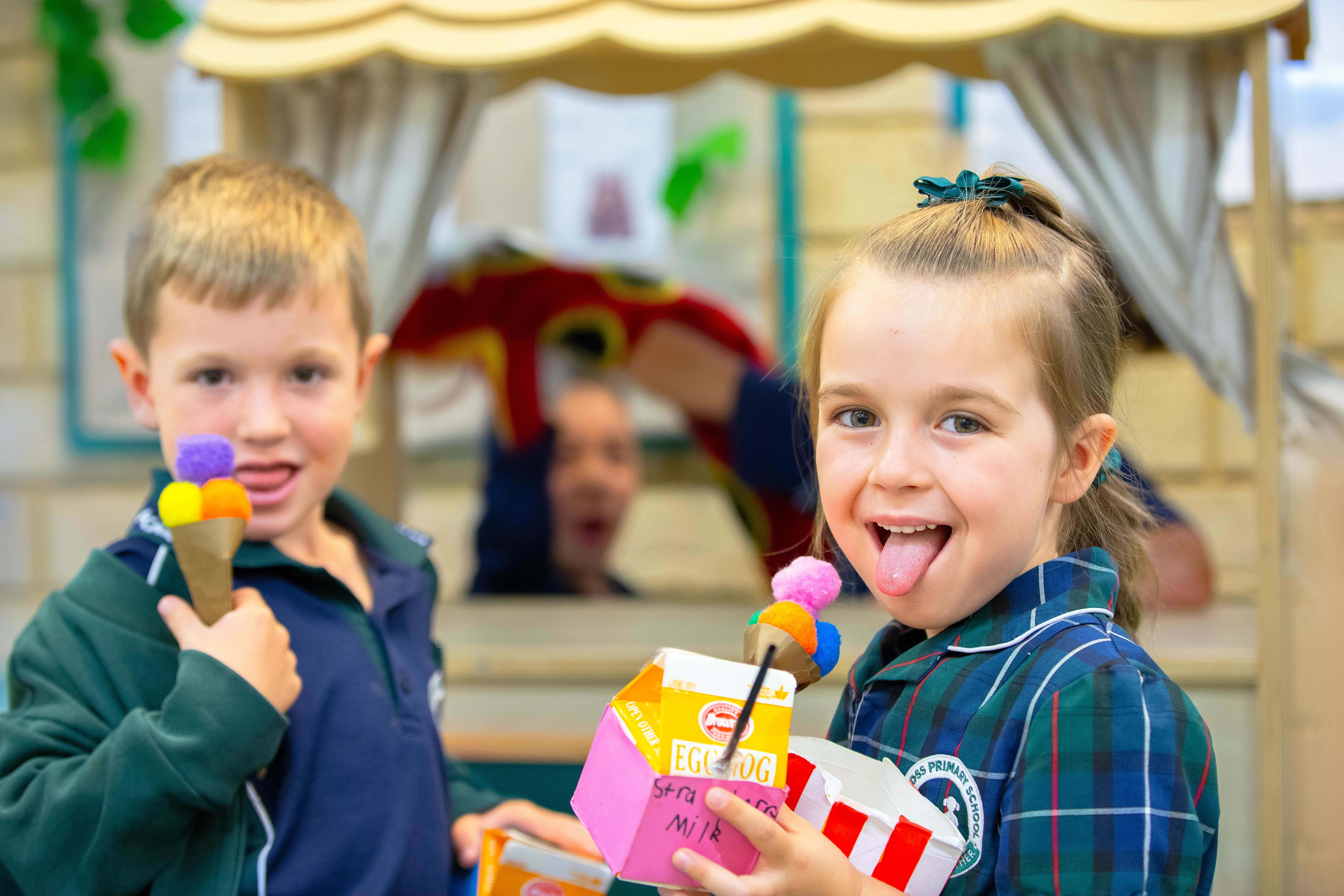
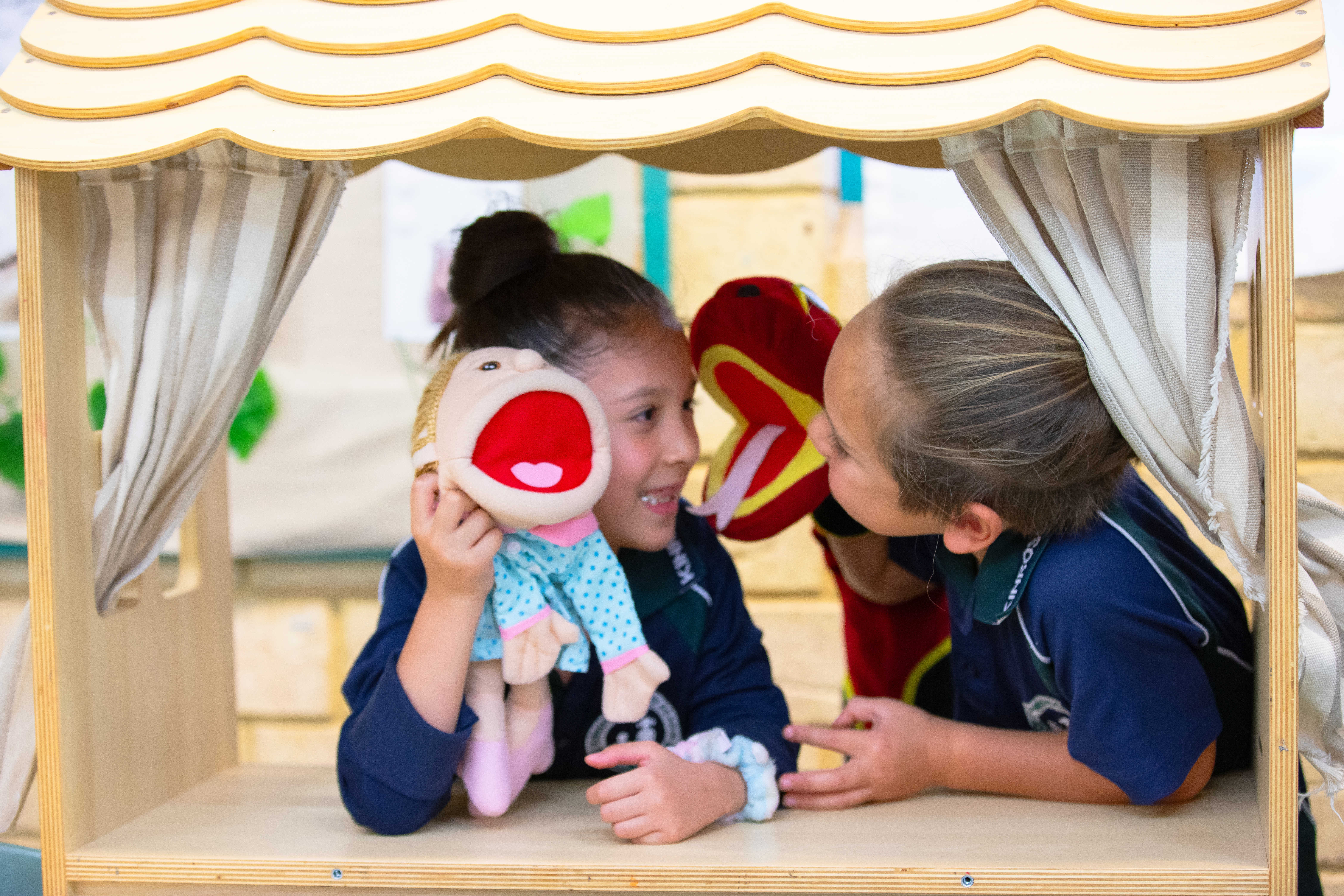
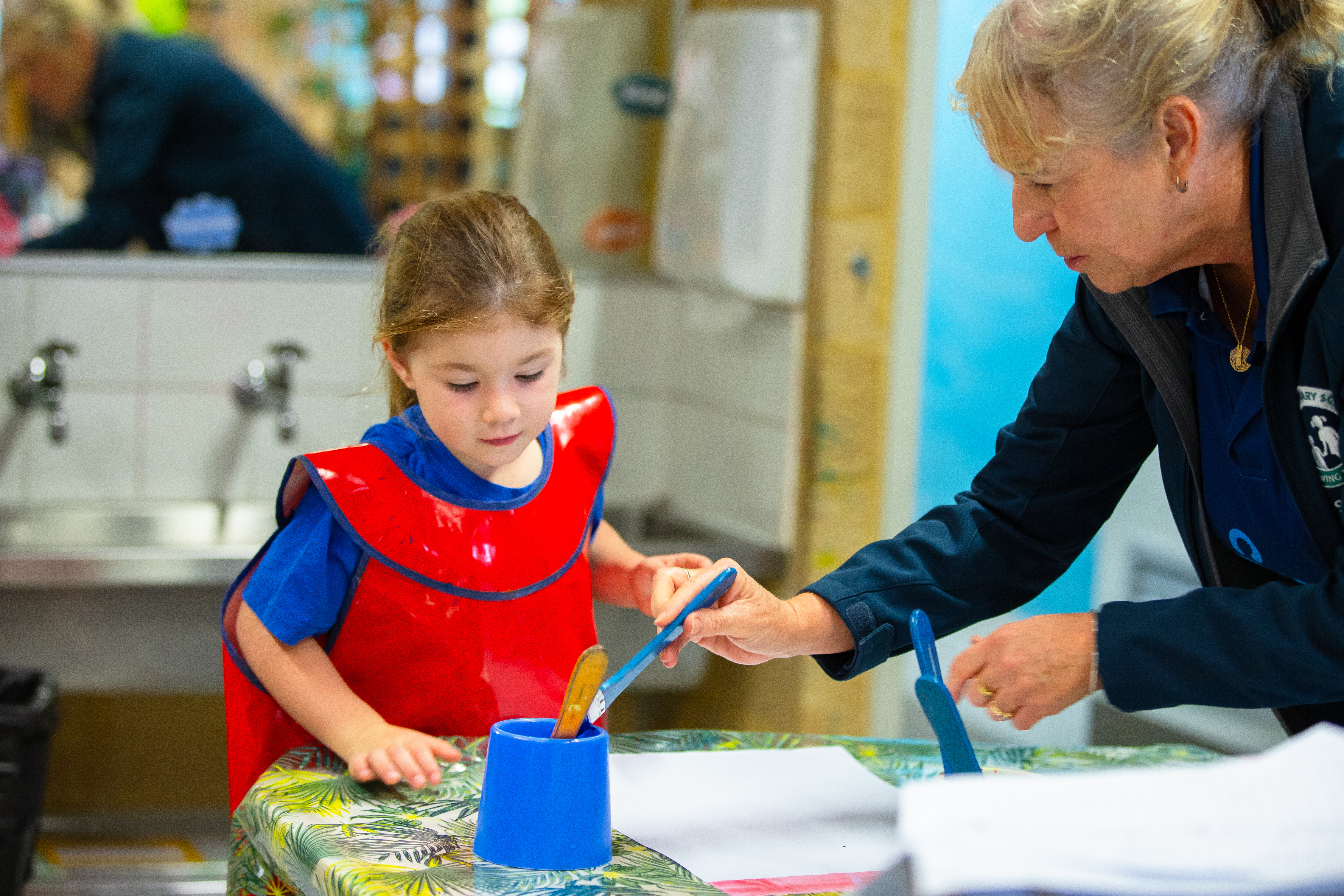
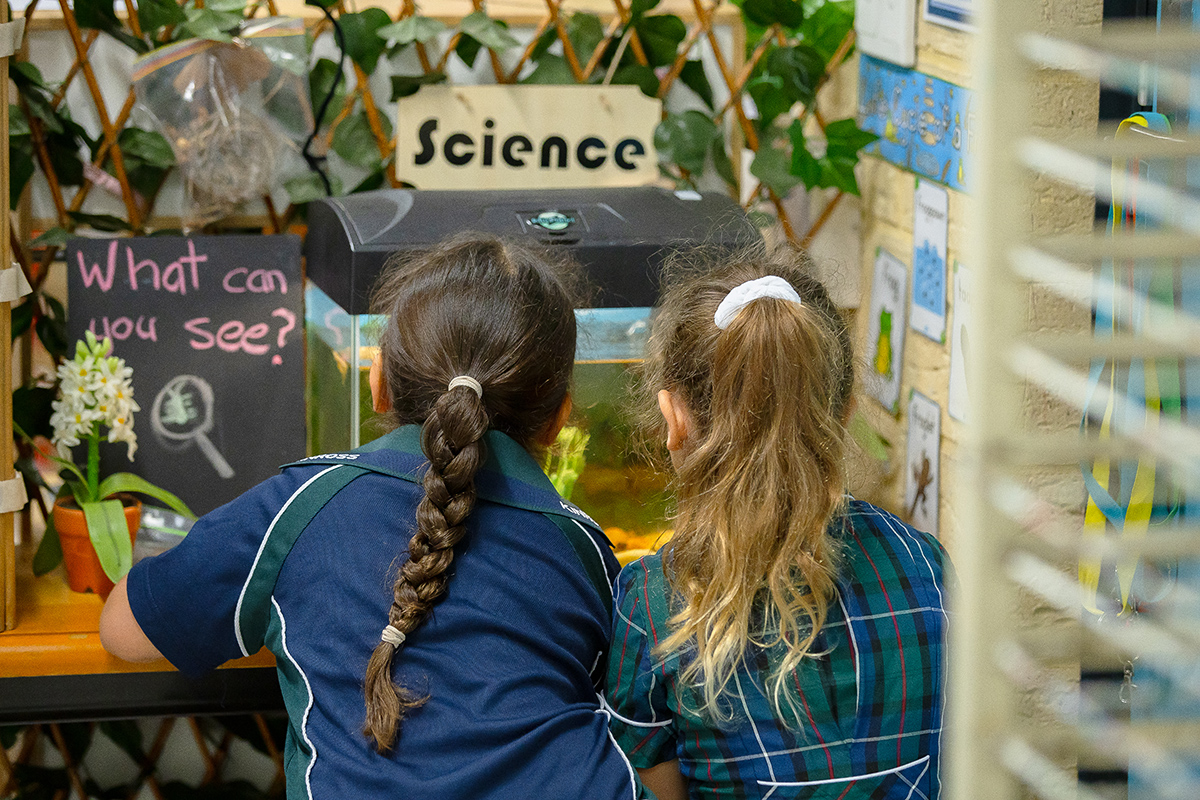
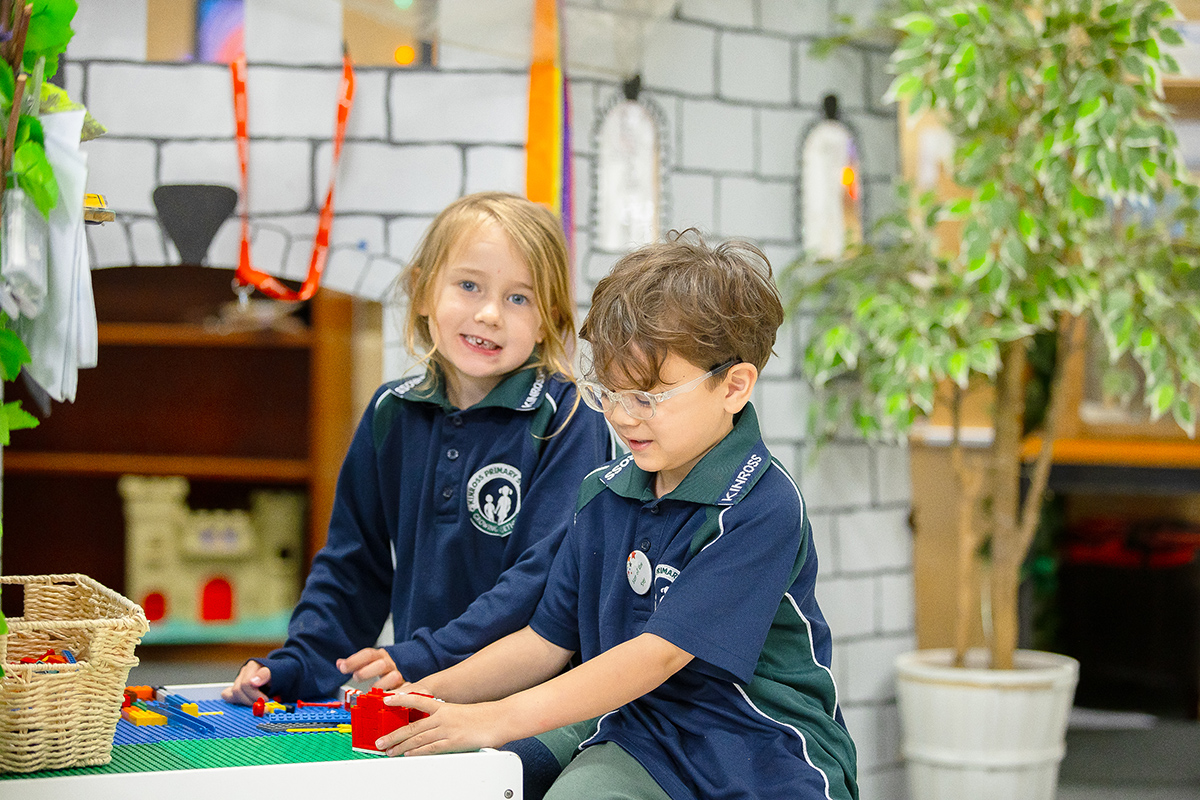
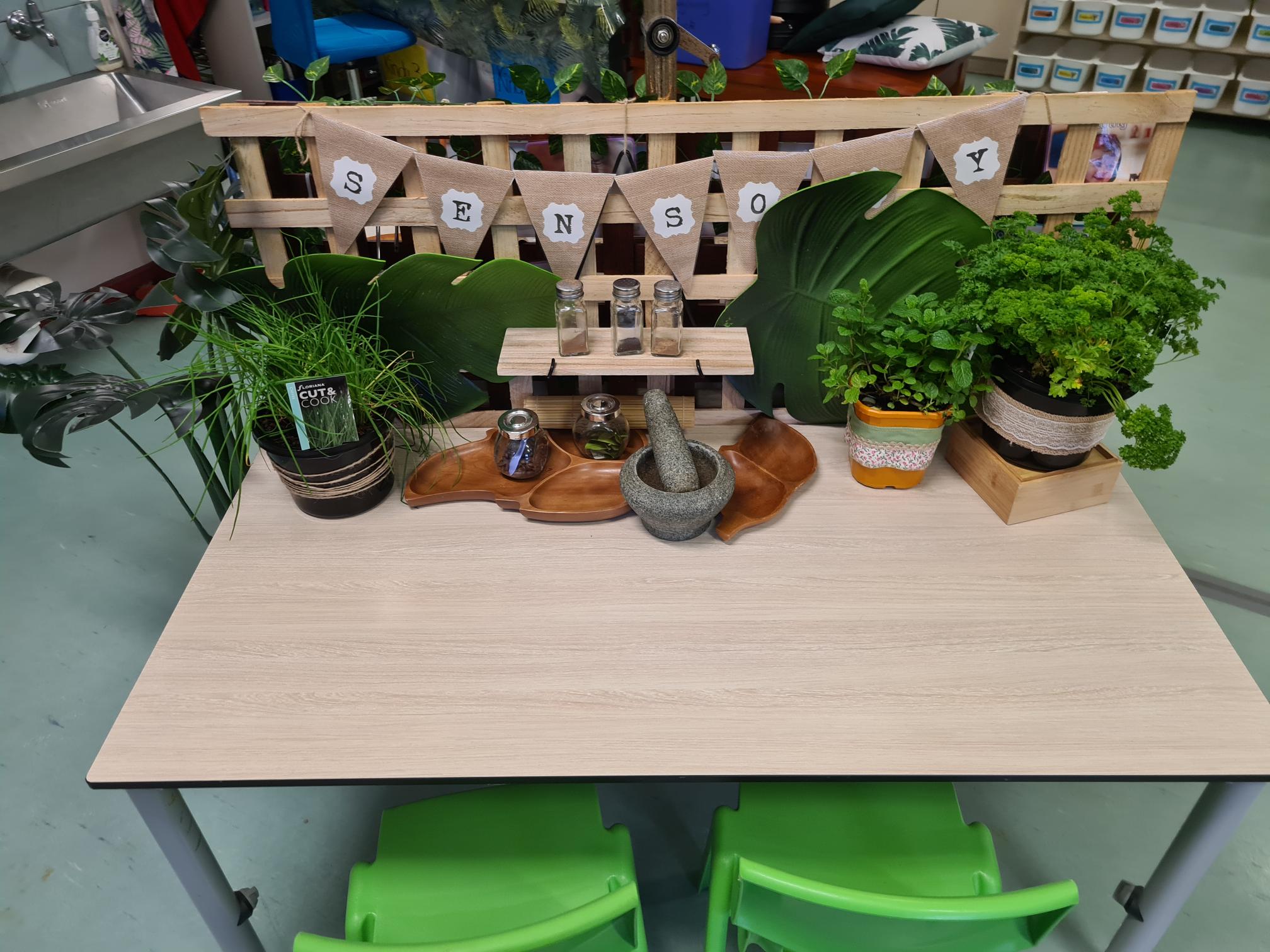
Classrooms at Kinross Primary School from Kindy – Year 2 adopt the Walker Learning approach to Play-based learning. This child-centred approach fosters essential skills such as collaboration, problem-solving, inquiry, creativity, and responsibility. Throughout the week students participate in Investigation sessions, where carefully designed classroom areas with provocations allow children to explore activities that deepen their understanding across all curriculum areas. These stations are interest-based and developmental to the children, ensuring learning is meaningful and engaging.
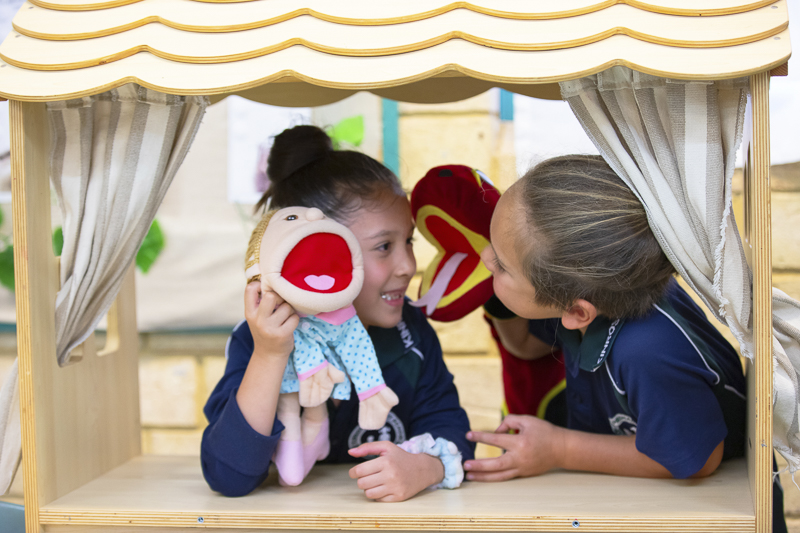
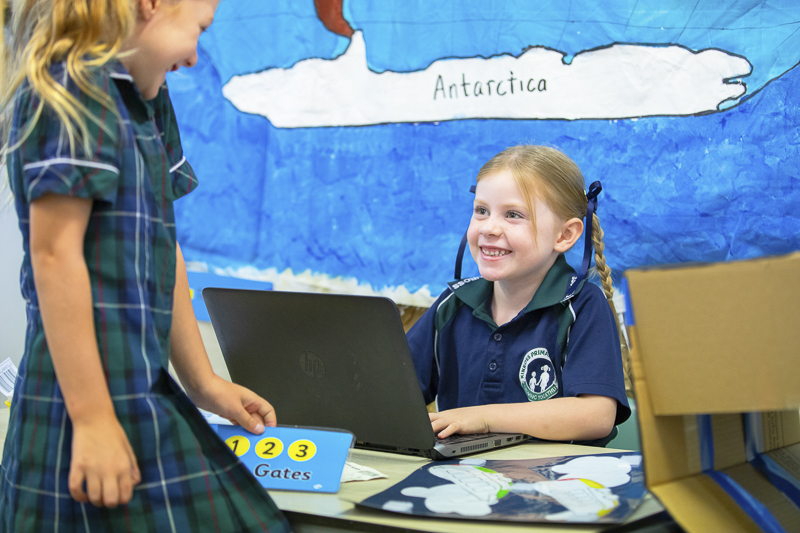
Play-based learning is important in Early Childhood classrooms because it allows children to explore, discover, and make sense of the world. Through play, children build essential skills such as problem solving, communication, creativity, and resilience. It helps them develop early literacy and numeracy through hands-on experiences, as well as social and emotional skills like cooperation, sharing, and managing feelings. Play also supports physical development by strengthening coordination, balance, and fine motor control, giving children a strong foundation for future learning.
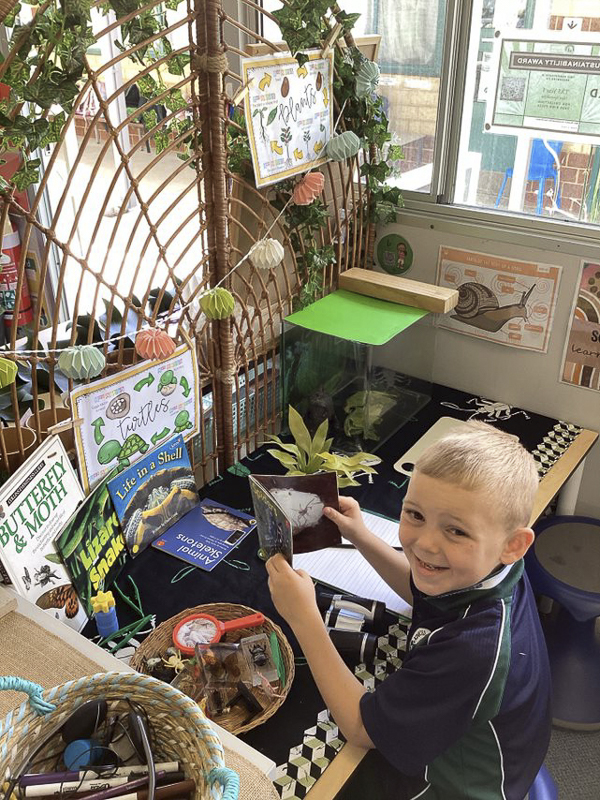
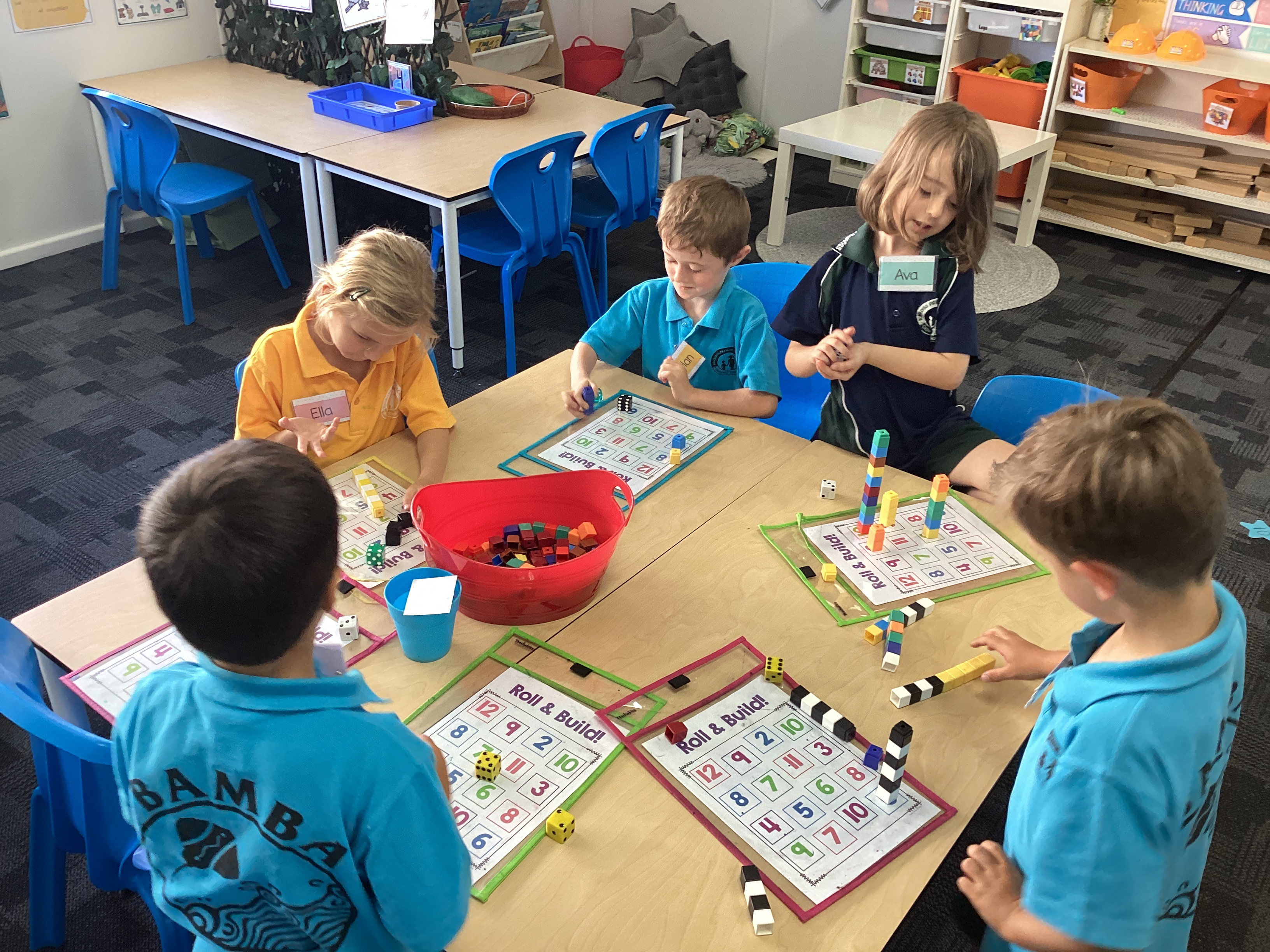
During each Investigation session, a few students will take on specific roles. At the end of each session, these students will develop their speaking and listening skills by presenting their findings to the class. Roles include:
-
Focus Child – Engages in a task and shares their learning experience.
-
Photographer – Captures moments of learning through photos to share with peers.
-
Reporter – Observes and records key discoveries to share with peers.
.jpg)
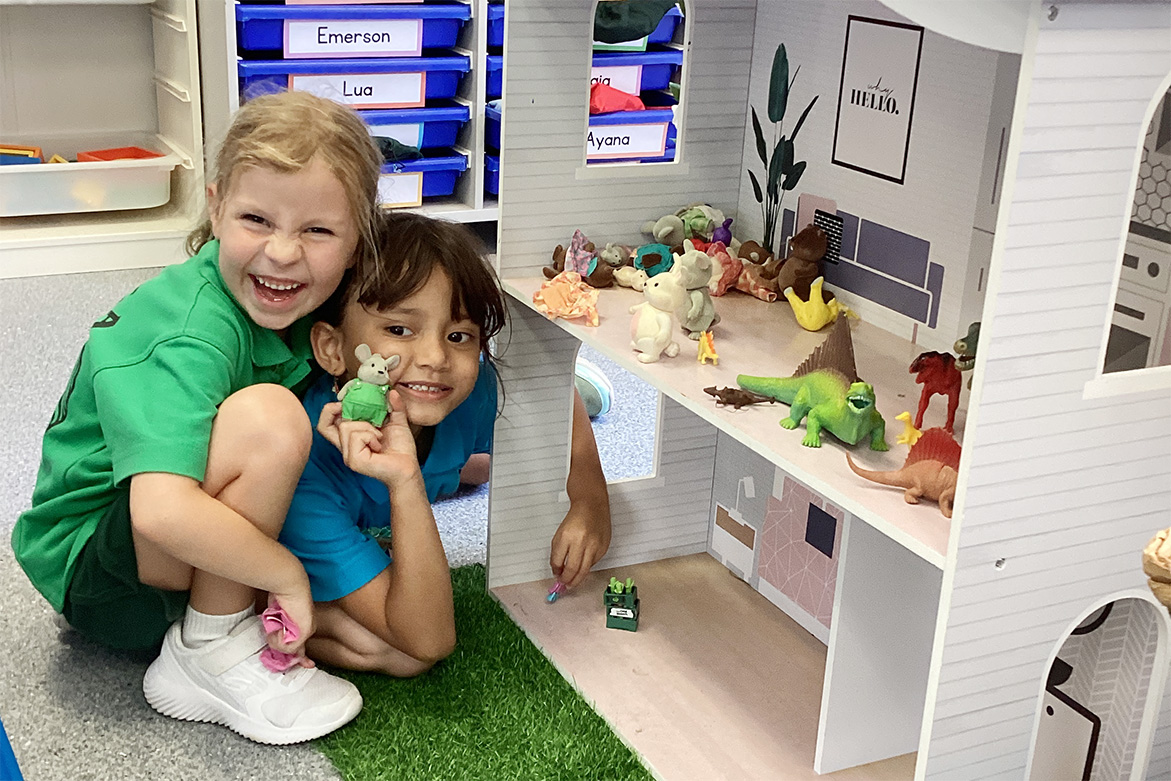
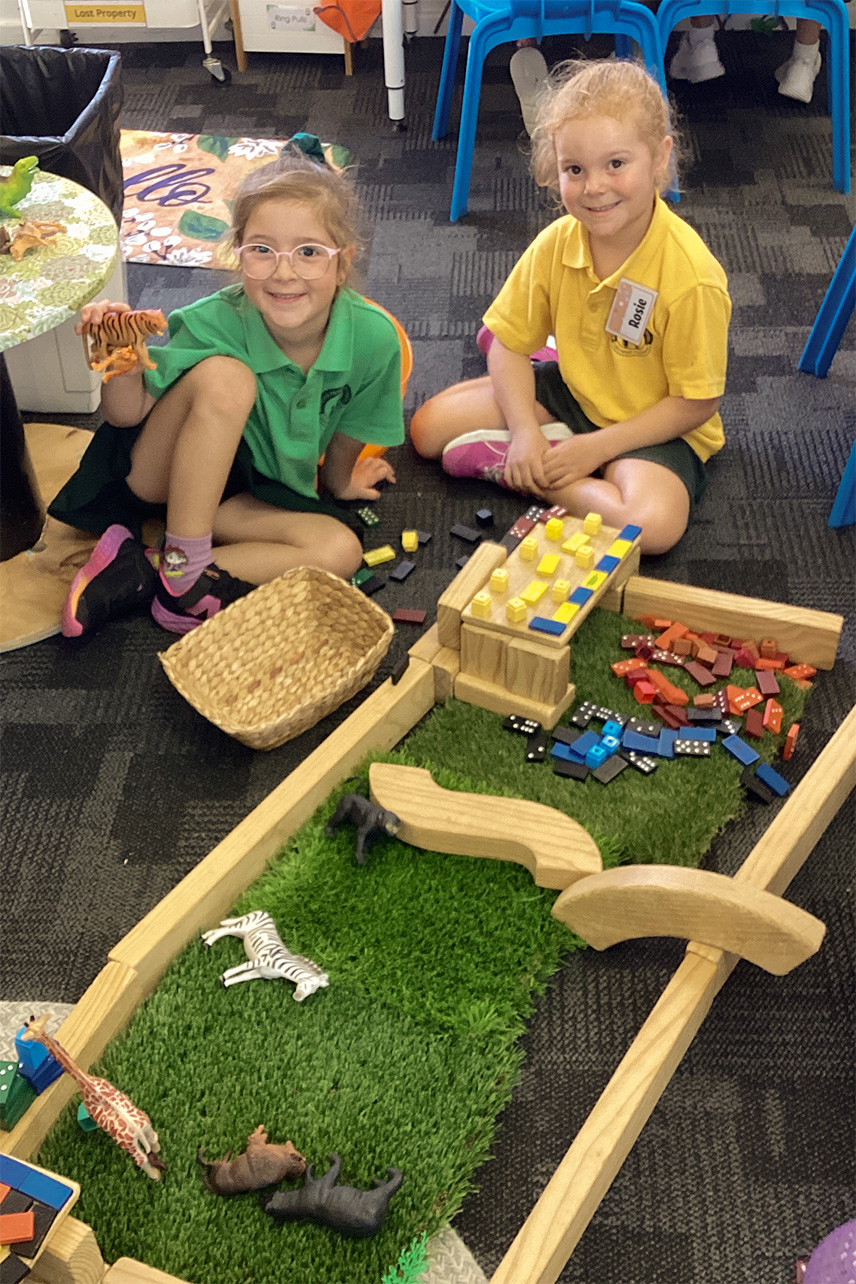
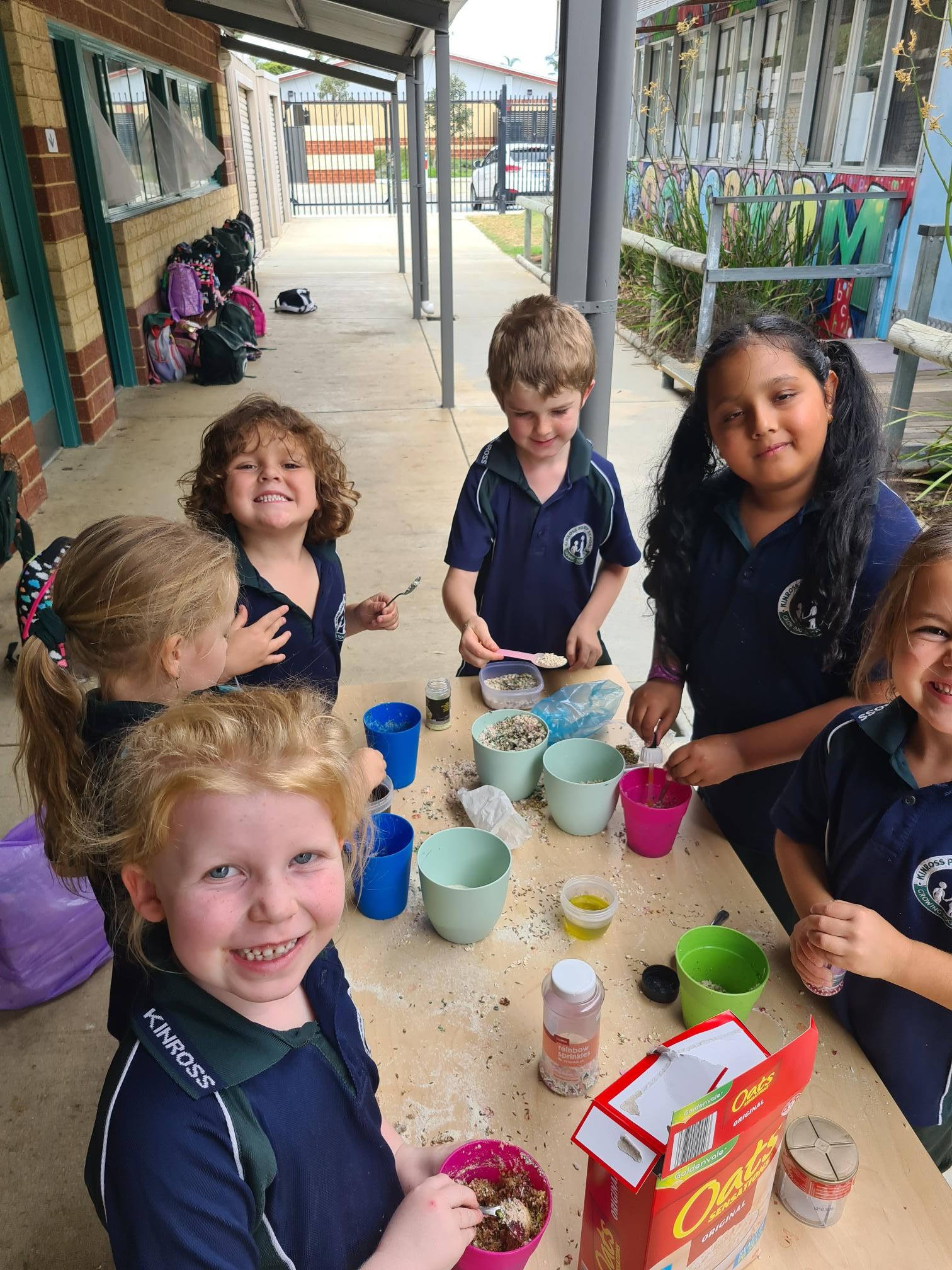
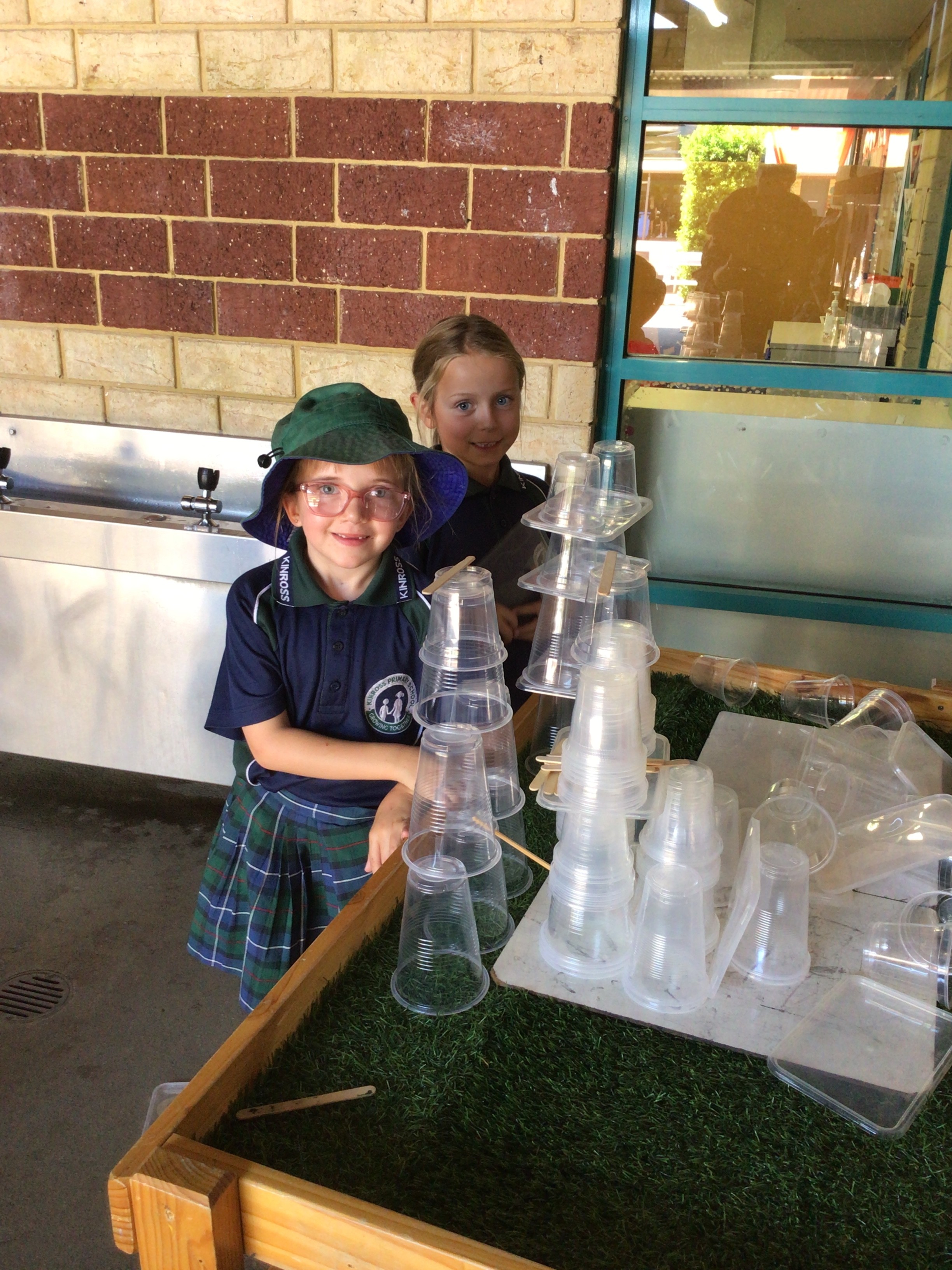
In addition to classroom Investigations, we are enhancing play-based learning during recess and lunchtime by introducing outdoor stations. These stations are designed by teachers and are updated each term to align with classroom learning. These stations encourage children to expand their creativity and social skills while playing with their friends at break times.
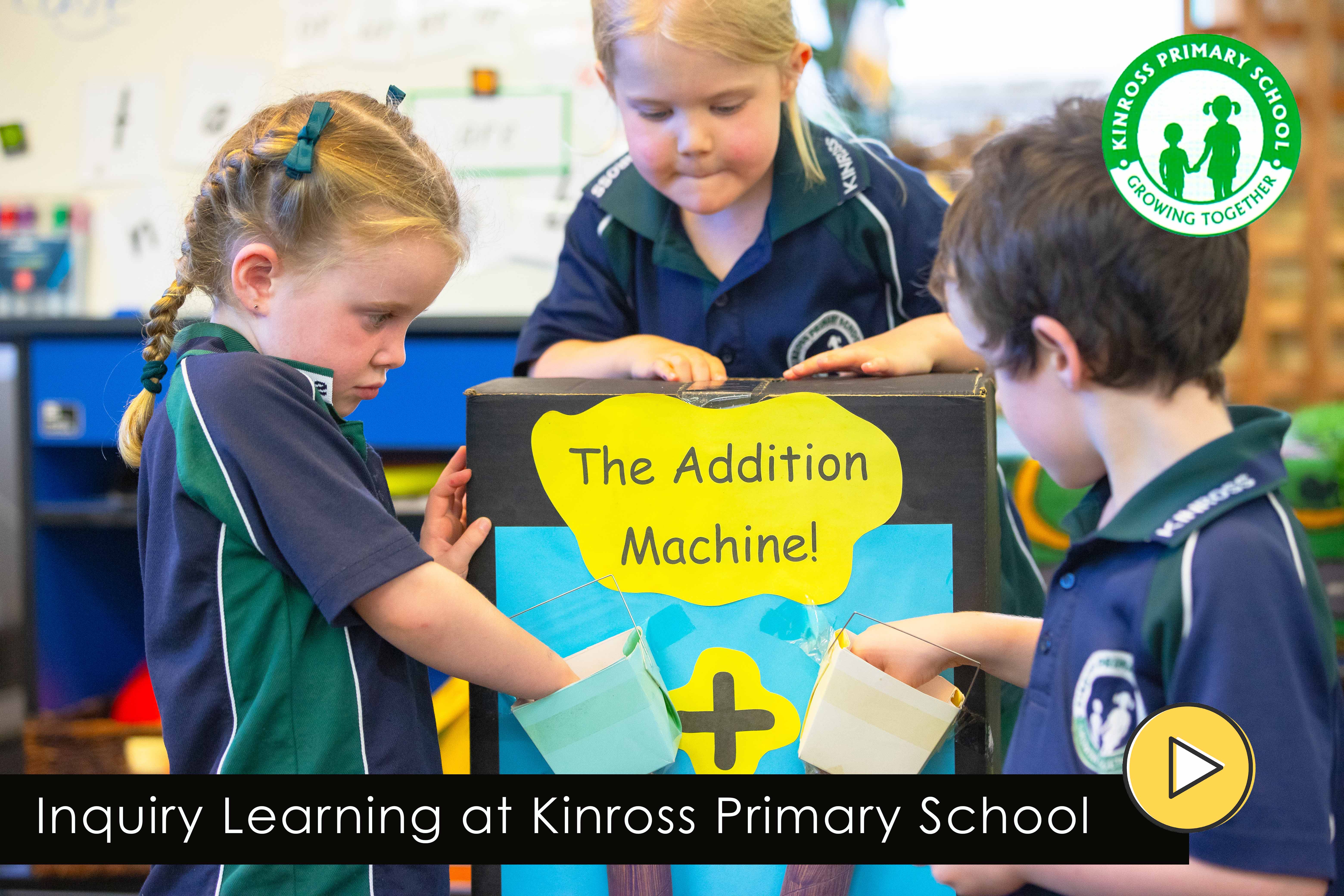
BUILDING ON PLAY: Inquiry Based Learning in Years 3–6
Play‑Based to Inquiry‑Based Learning: Continuity Across Kinross Primary School
At Kinross Primary School, learning is designed as a connected journey from the early years through to the upper primary years. The skills and dispositions developed through play‑based learning in Junior Primary provide a strong foundation that is intentionally built upon as students move into inquiry‑based learning approaches in Years 3–6.
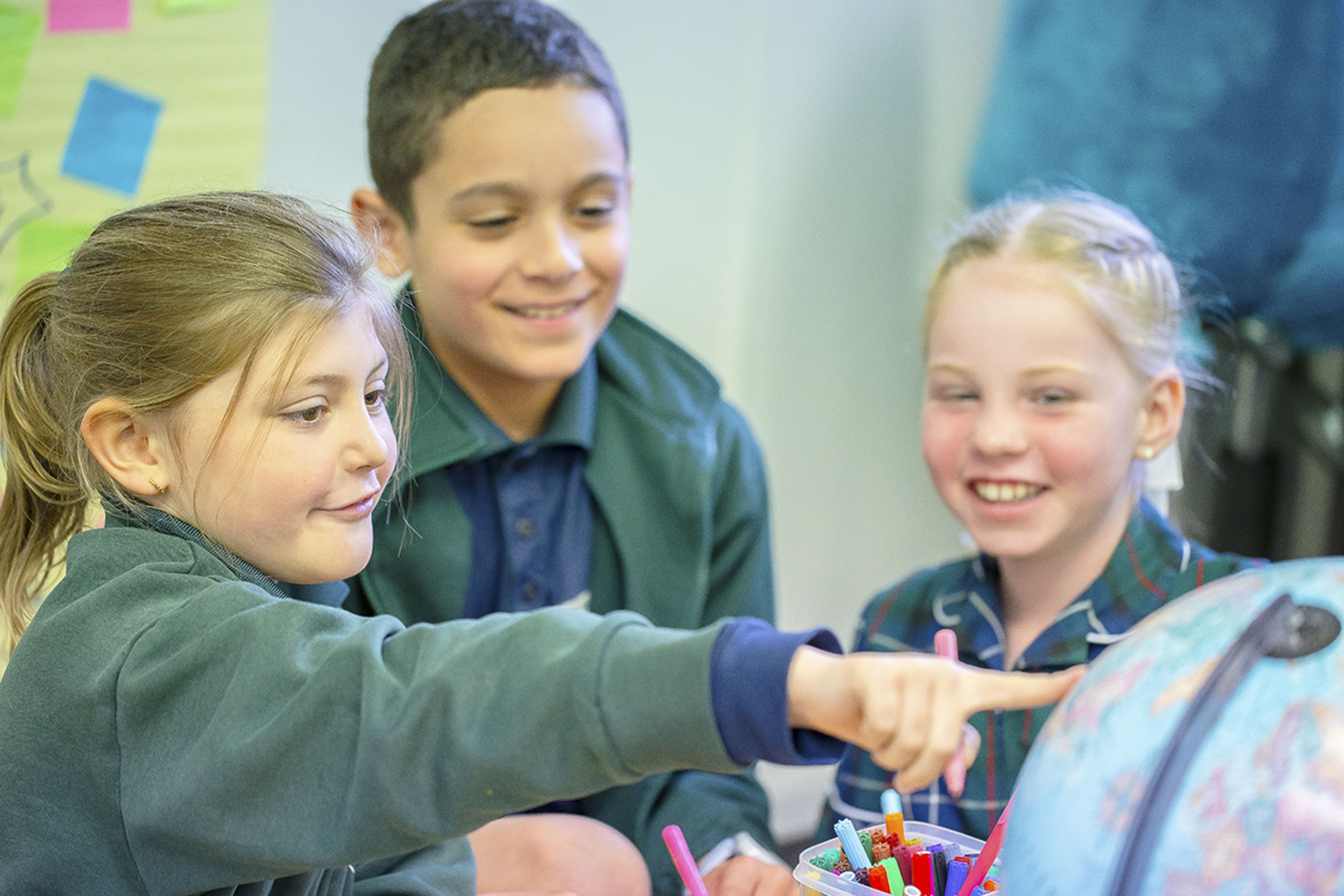
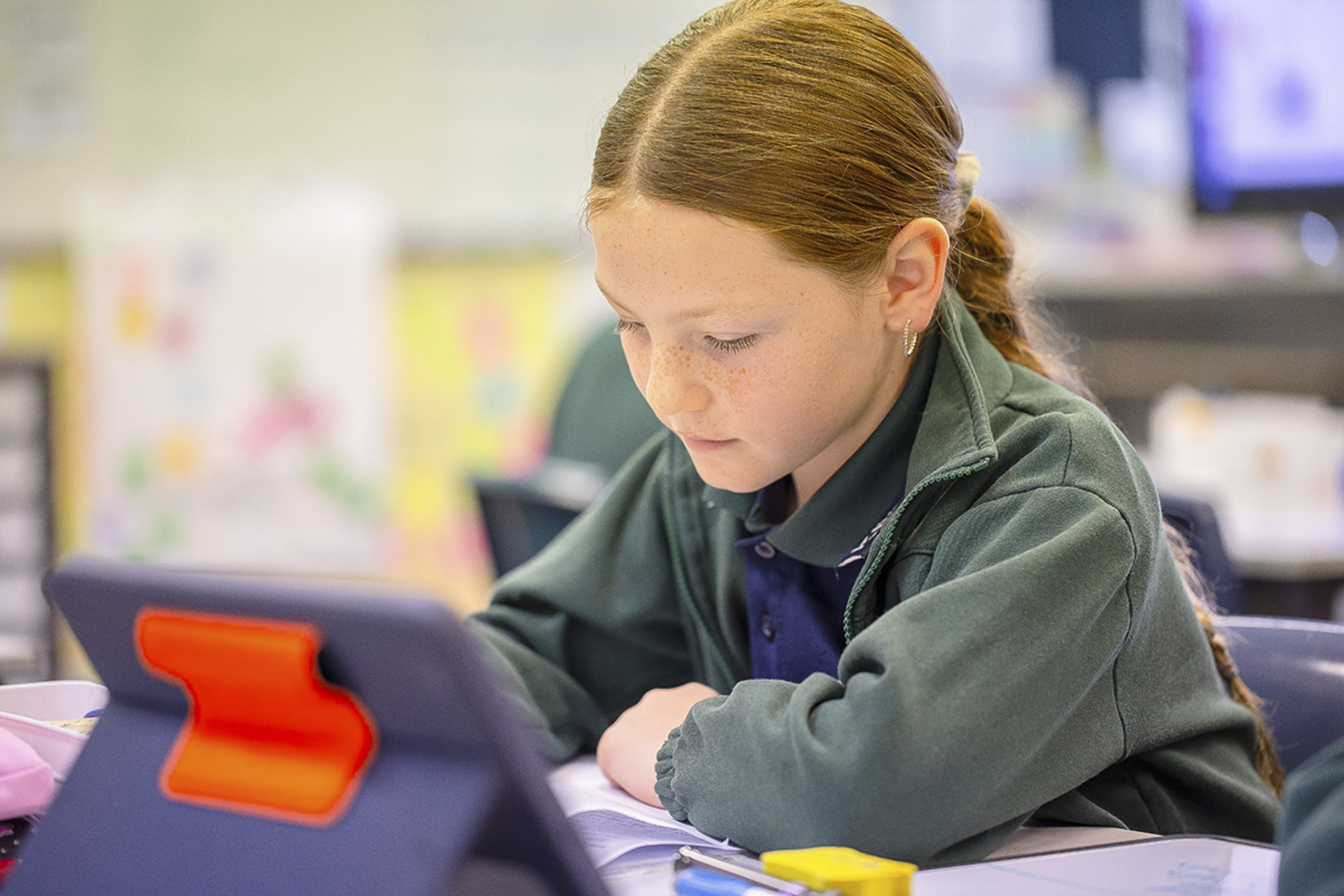
In the early years, children learn through play to collaborate with others, ask questions, solve problems, take responsibility, and persist with challenges. These same skills are essential for success in the later years of schooling. As students’ progress through the school, we continue to value these capabilities and utilise them in more structured, purposeful learning contexts.
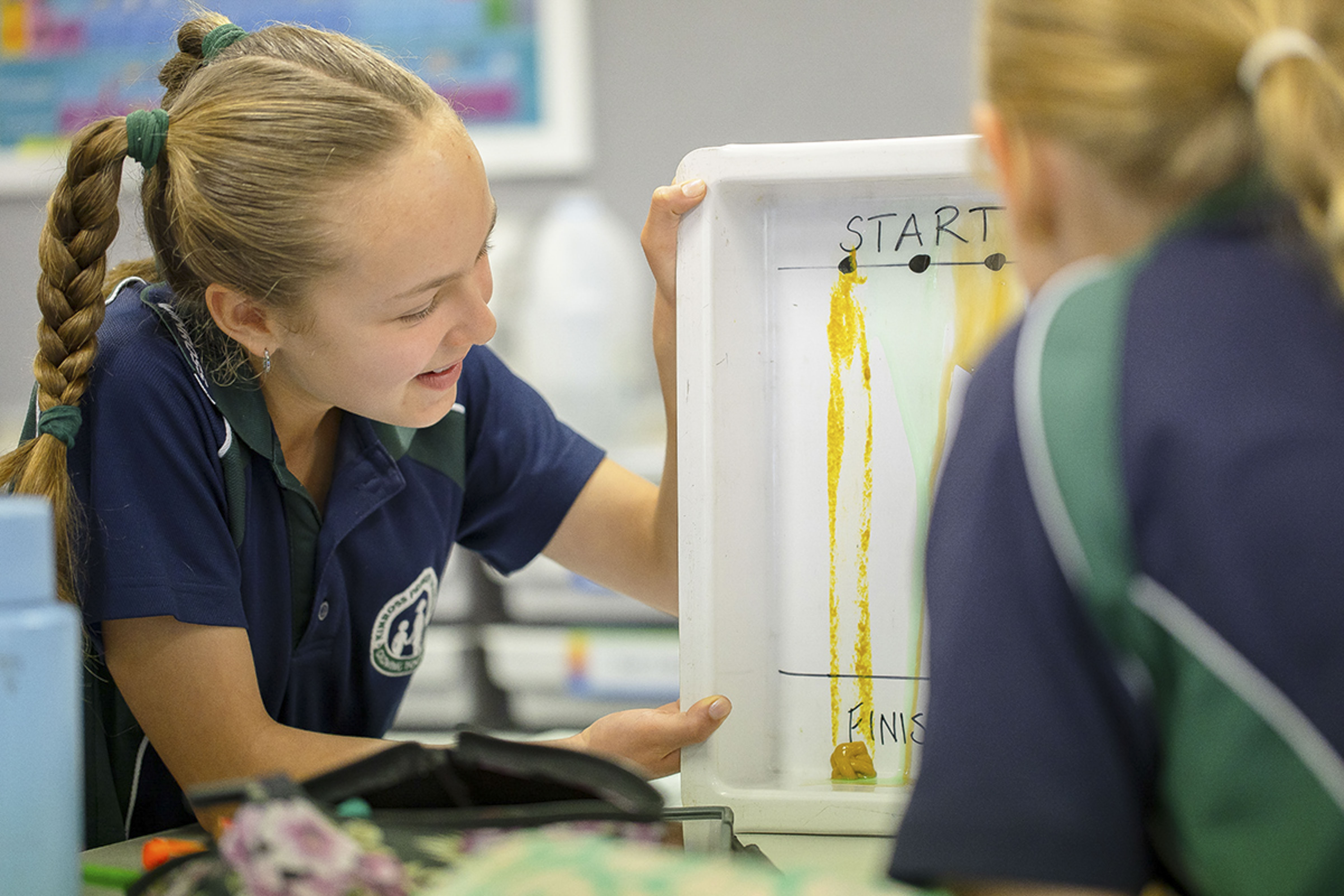
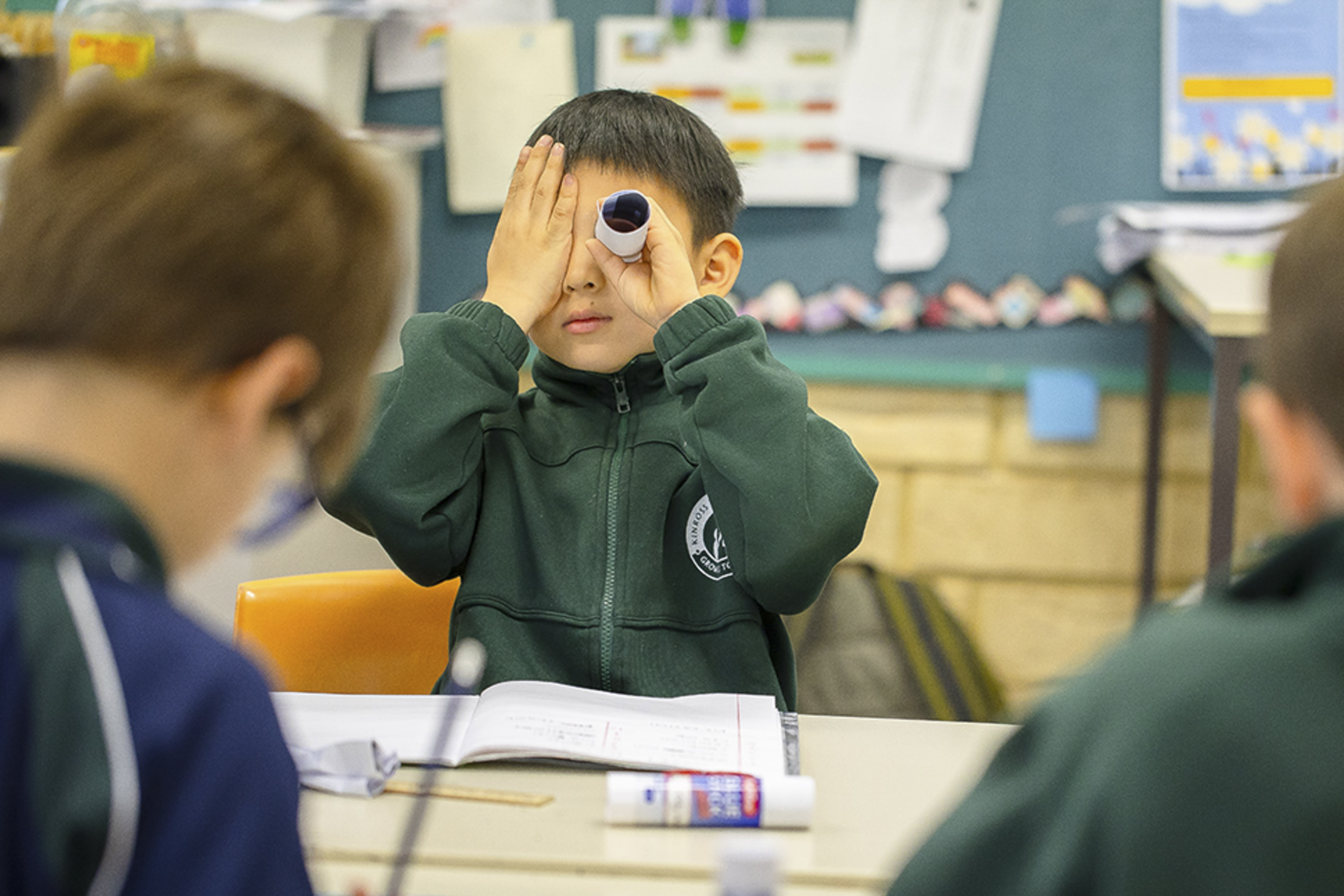
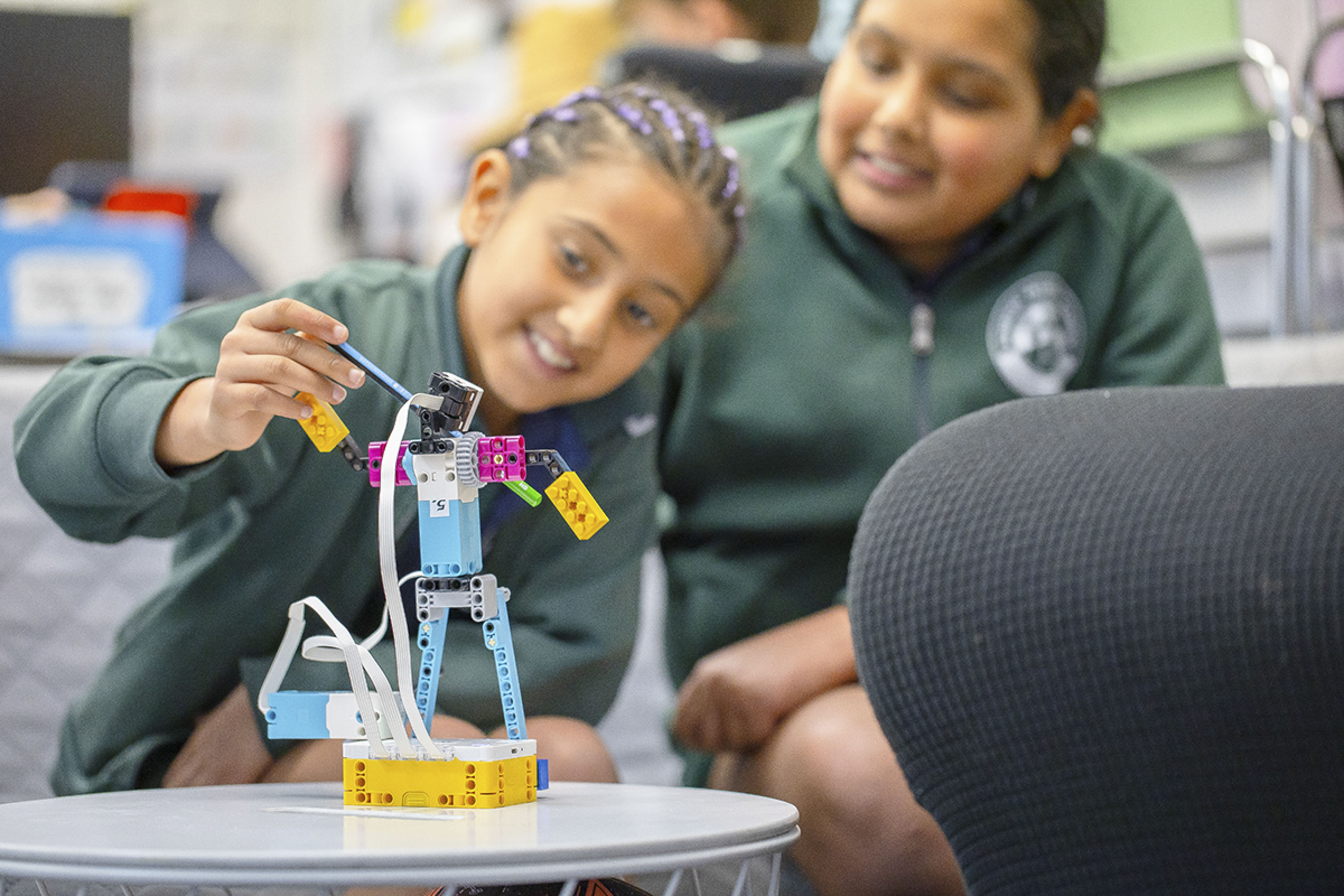
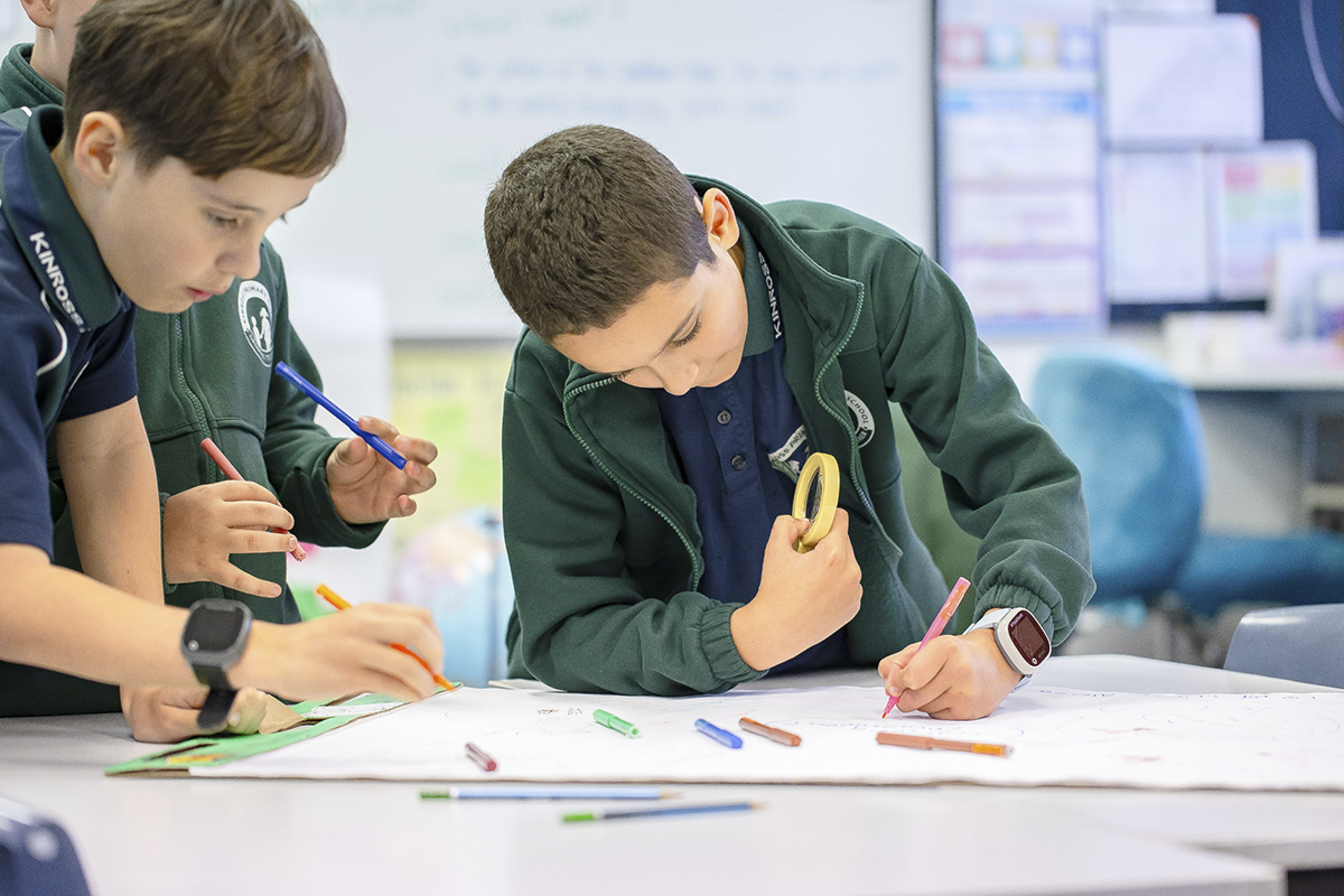
In Years 3–6, students participate in inquiry‑based learning experiences that draw directly on the skills they developed during play‑based learning. Students are encouraged to ask questions, explore ideas, investigate topics of interest, and make connections across learning areas. Teachers guide students to research, plan, collaborate, reflect, and share their thinking in meaningful ways.
Inquiry learning is highly engaging because students have voice and agency in their learning. When students are curious and invested in what they are learning, motivation and engagement naturally increase. This approach supports deeper understanding and helps students see learning as purposeful and relevant to their world.
Explicit Teaching in Meaningful Contexts
While inquiry learning promotes exploration and questioning, explicit teaching remains a key component of our classroom practice. Teachers deliberately teach core skills in literacy, numeracy, and other learning areas within the context of inquiry units. This ensures students clearly understand expectations, develop essential knowledge and skills, and can apply these skills independently.
By teaching skills explicitly and then giving students opportunities to practise and apply them through inquiry, learning becomes authentic, connected, and lasting.
Developing Confident, Independent Learners
Across all year levels, we aim to foster a love of learning by creating environments where students feel safe to take risks, make mistakes, and learn from them. Students are supported to reflect on their learning, set goals, and take increasing responsibility for their progress.
Through play‑based learning and inquiry‑based learning, students develop the confidence, independence, and curiosity needed to become lifelong learners. They learn not just what to think, but how to think skills that will support them well beyond primary school.
A Seamless Learning Journey
By intentionally connecting play‑based learning in Kindergarten to Year 2 with inquiry‑based learning in Years 3–6, Kinross Primary School provides a consistent and coherent approach to learning. This continuity supports high levels of engagement, strong skill development, and a positive school experience where students feel empowered, capable, and excited to learn.







© Kinross Primary School